
Why does this matter?
World-wide, 87.5% of flowering plants are animal pollinated.
But I’m not a flowering plant.
You’re right. But that won’t help you. 75% of all crop species are pollinated by animals. Losing them would affect food production, impacting on farmers and consumers; aka, everyone. Pollinators are even responsible for some of the food your food eats, for example alfalfa, which is used in cattle fodder.
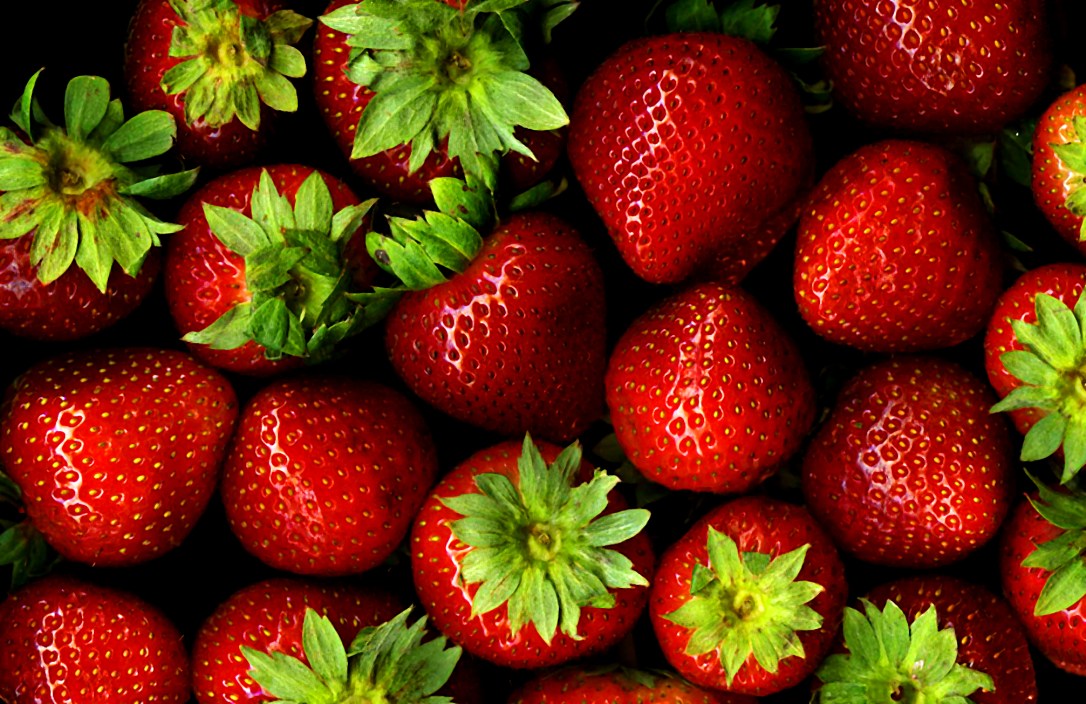
Pollination effects not only the quantity of food but also the quality! Produce like strawberries and apples benefit in appearance, shelf life and taste from animal pollination. Similarly, we need animal pollinators to produce some of our favourite plant derived luxuries like chocolate, coffee, shea butter, a ubiquitous chief ingredient in skincare products!
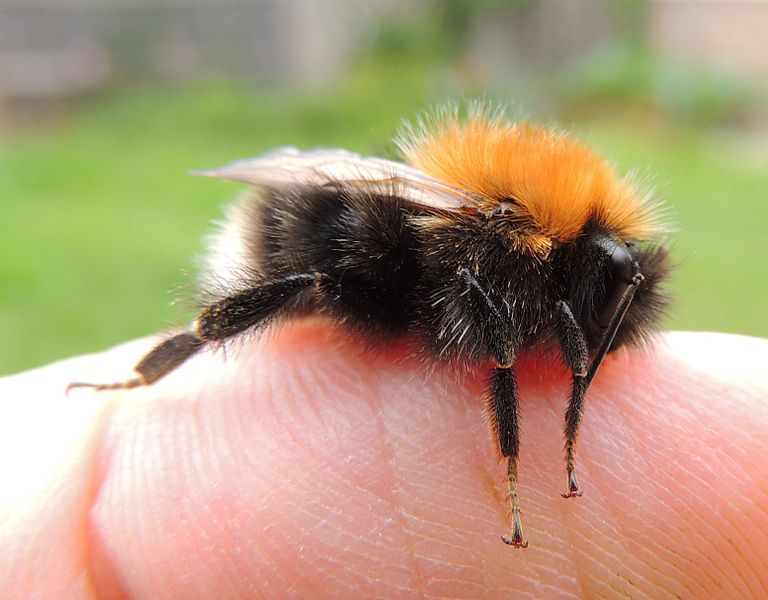
Pollinators are a key part of terrestrial ecosystems, valuable for the services they provide us and as biodiversity in their own right. In addition, they are incredibly cute!


 Campus Buzz