At Trinity College Dublin, our 47-acre College Green campus is buzzing with life thanks to a collaborative effort to support pollinators, aligning with the All-Ireland Pollinator Plan. Trinity was one of the first third level institutions to develop a Campus Pollinator Plan in 2017 and we’ve been working hard for pollinators ever since.
Across campus, bumble bee boxes and insect hotels for native bees have been installed in College gardens and near tree lines, creating vital nesting sites for species of bumble and solitary bees. Check out our short video here.

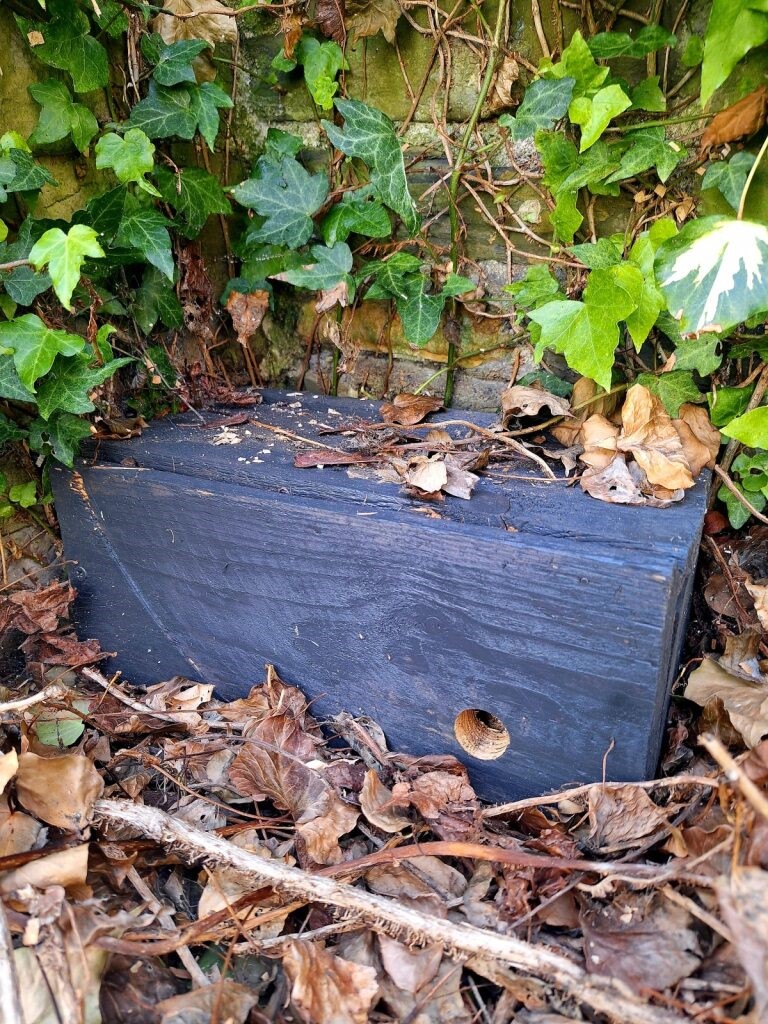
Nesting habitats for bees on Trinity’s campus: cavity nests for solitary bees (above) and bumblebee boxes (below) were upcycled from waste materials on campus
These habitats, installed with input from the Estates and Facilities team, provide safe havens for pollinators amid urban challenges, boosting local biodiversity. Meanwhile, ornamental meadows along with the No Mow April and May initiatives have transformed managed lawns into wildflower-rich zones, with areas like Front Square blooming with daisies and dandelions each spring.
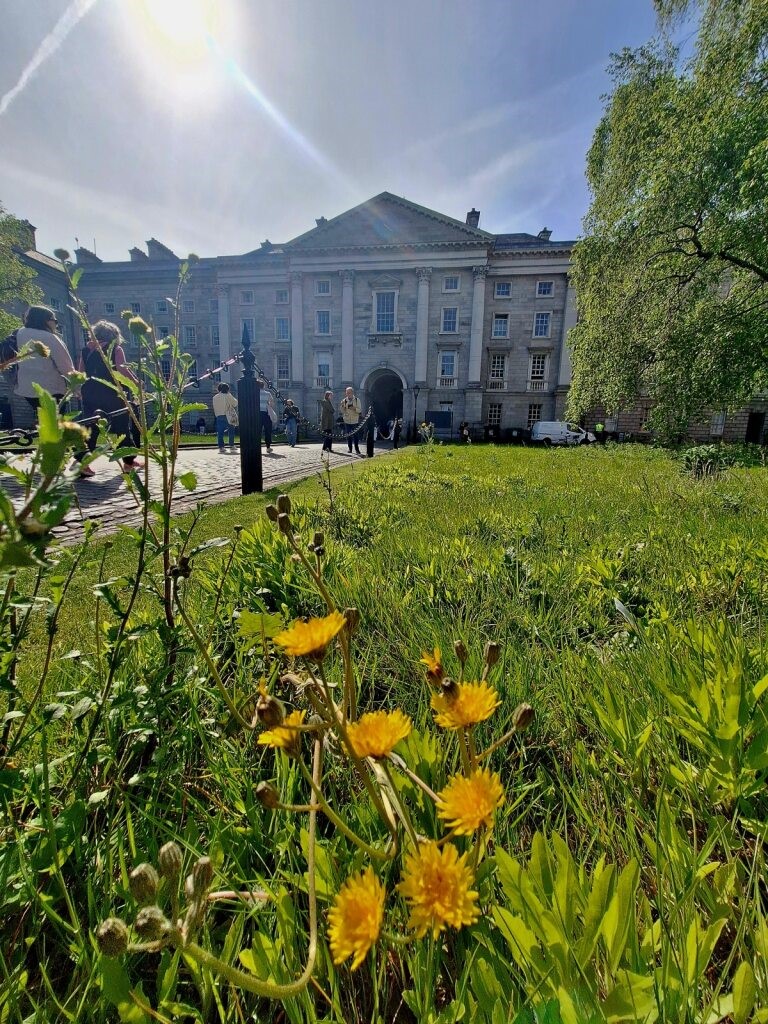
No-mow May in Trinity’s Front Square
These efforts, championed by students, staff, and the sustainability team, offer food and shelter for bees, butterflies, and other insects while fostering a culture of conservation. Together, we’re engaging the Trinity community, students, staff, and visitors, in protecting nature, contributing to a sustainable future.
These actions are a cornerstone of Trinity’s Biodiversity Action Plan 2025-2030, driving us toward a more nature friendly campus. This is a key part of Trinity’s ambition to be nature positive by 2030 (see Trinity’s Sustainability Strategy).
Join us in safeguarding pollinators and building greener cities, gardens, parks and farms – check out the All-Ireland Pollinator Plan Resources for tips and advice.

 Campus Buzz