Blog

PhD studentships available

Come and join our team!! Two PhD studentships are available…

1. PhD studentship: Bee health – integrating field data into landscape-level risk assessment model (bee health)

We are seeking applicants with Bachelors/Masters degree (2.1 or higher) in biology, ecology, environmental sciences, or similar. Applicants must have excellent data collection and data handling skills; be proficient communicators and able to work in a team; be prepared to travel and spend long periods in the field in Ireland, and in Italy; have a full clean drivers licence (valid in Republic of Ireland); and preferably have field experience and proficiency in using GIS. Italian language skills may also be useful.

A studentship of €24,000 per annum will be available, which includes a student stipend of €18,000 plus €6,000 towards the annual cost of postgraduate fees, for 4 years from 1st September 2018.

To apply: please send letter of application, outlining suitability for the post, and a CV, to Jane Stout stoutj@tcd.ie before 13th June 2018.

Project description:

Pollinators face multiple threats including agrochemicals, pathogens, habitat loss and climate change (Potts et al. 2016). A major new project PoshBee (Pan-European Assessment, Monitoring and Mitigation of Stressors on the Health of Bees) aims to understand the impacts of these multiple pressures on a range of bee species and develop novel tools to help reduce risks and negative impacts. Our findings will help to ensure that pesticides can be used safely while protecting wildlife, health and the environment, both in Ireland and internationally.
poshbee logo

This project will collect field data on bee health in Ireland, and collate landscape data from both Ireland and Italy to feed into models for risk assessment of bee health. The successful candidate will join the dynamic and interdisciplinary PoshBee team. He/She will be primarily supervised by Prof Jane Stout at Trinity College Dublin, and co-supervised by Chris Topping (Aarhus University, Denmark) and Cecilia Costa (Council for Agricultural Research and Agricultural Economy Analysis, CREA, Italy).


2. PhD studentship: Characterising pesticide residues in nectar and pollen (pesticide residues.pdf)

We are seeking applicants with Bachelors/Masters degree (2.1 or higher) in botany, environmental sciences, environmental chemistry, agricultural science, or similar, preferably with field and laboratory experience (e.g. in nectar/pollen sampling, chemical analysis via GC-MS or HPLC-MS, etc.). The successful candidate will have excellent team-working, communication and analytical skills, and a full clean driving licence, valid for the Republic of Ireland.

The PhD student will be registered in Trinity College Dublin, supervised by Jane Stout (TCD) and Blanaid White (DCU), and work as part of a collaborative team within the Irish Pollinator Research Network.

A studentship of €24,000 per annum will be available (subject to confirmation of funding), which includes a student stipend of €18,000 plus €6,000 towards the annual cost of postgraduate fees, for 4 years from 1st September 2018.

To apply: please send letter of application, outlining suitability for the post, and a CV, to Jane Stout stoutj@tcd.ie before 13th June 2018.

Project description:

This position will form part of the PROTECTS (Protecting Terrestrial Ecosystems Through Sustainable Pesticide Use) project, funded by the Irish Department of Agriculture, Food and the Marine under their Research Funding programme (subject to confirmation of funding). The successful candidate will join the dynamic and interdisciplinary PROTECTS team consisting of researchers from Trinity College Dublin, UCD, Maynooth University, Dublin City University, and Teagasc. PROTECTS will provide baseline information in an Irish context to build towards mitigating the effects of pesticide use on terrestrial ecosystem services, focussing on pollinators and soils. Our findings will help to ensure that pesticides can be used safely while protecting wildlife, health and the environment, both in Ireland and internationally.

In this PhD project, the potential for pesticide contamination of floral resources as a result of translocation from soil will be evaluated. This translocation to floral products poses a major route of exposure of pollinators to pesticides. Working with other members of the PROTECTS team, we will identify four systemic pesticides which are a) extensively in Irish agricultural systems and b) potentially have negative impacts on pollinating insects. We will develop and validate extraction protocols for these pesticides from the floral resource matrices of nectar and pollen, collect samples from model species from field sites, complete laboratory-based chemical analyses and determine residue presence/concentrations in nectar and pollen to compare with soil-level contamination. In addition, methods for screening residues from nectar and pollen samples for rapid assessment of toxicity of floral rewards will be developed, and nectar extracts will be utilised directly in bee exposure experiments.
bilingual-trinity

World Bee Day – are we preaching to the converted?

May is a busy time for international days – May 10th is International Migratory Bird Day, May 18th is International Museum Day, and of course May the 4th is Star Wars Day. But now we have a new one… May 20th is World Bee Day.

Picture1

There has been a UN-declared “International Day for Biological Diversity” since 1993, to increase understanding and awareness of biodiversity issues (it’s also in May – on the 22nd). But this year, 2018, the UN declared May 20th “World Bee Day”, on the back of a proposal and three years of effort by Slovenia. Although initially proposed for honeybees and beekeeping, the concept was broadened to all bees, and in fact all pollinators.

There was a ministerial conference in Slovenia to mark the day, where representatives from 22 countries from all continents and international organisations discussed the situation, activities, and the required measures to protect bees in the world. They even produced a joint Declaration on how important bees and other pollinators are for crop production and food security. Nothing particularly new given the comprehensive recent IPBES report, but along with the work of the Coaltion of the Willing on Pollinators, it’s bringing the issue to governmental level.

And there were activities around the world to celebrate World Bee Day, including here in Ireland, which were picked up by local and international media:

The National Biodiversity Data Centre released new analysis of their Bumblebee Monitoring Scheme data, which suggests that common bumblebee species are in decline. The Department of Agriculture Food and the Marine released a newsletter on their activities and put out a press release welcoming the arrival of honeybee hives to their Backweston Campus, and the Department’s contribution to the All-Ireland Pollinator Plan.

Pollinator-Plan_cover-212x300

The Irish Universities Association also released a press release highlighting some of the bee research being conducted in Irish universities, including that done by the Irish Pollinator Research Network. In Trinity, we also highlighted how we are working to help pollinators by publishing a news item on our current research.

current research group.png

And the media responded with articles, including those in the Irish Times, Independent and The Sun.

Since the objective of World Bee Day was to raise awareness of the importance of bees, this is all good.

However, there is still a surprising number of people who don’t like bees – think of them as stinging pests, best rid of. They don’t know we have 20-25 thousand species worldwide, and that they are fascinating, beautiful creatures, who do such an important job in terms of pollination – see Laura Russo’s recent post on the Amazing World of Bees.

Are we just preaching to the converted with all the Bee Day publicity? All this enthusiasm I encounter for bees at meetings and workshops – is it just from people already interested in nature? How do we reach the rest of the population? By publicising that road verges and parks are being managed for pollinators, we can help raise awareness among those who would not attend events or read articles – for example, a local council is advertising that they are not cutting and spraying to protect wildlife. One story which has captured a surprising number of people’s imaginations is that of Fiona Presly, who has become an online star for making friends with a bumblebee (a story which was featured in Antenna, the journal of the Royal Entomological Society, along with a fascinating commentary by bee behaviour expert, Lars Chittka).

We can also talk about the value of bees to our economy, and to our well-being in a more general sense, as well as to the wider environment (e.g. through projects like Pollival). Or get people involved in the research, via citizen science projects (e.g. like Count Flowers for Bees).

count-flowers-for-bees-black

But given the threats to bees, other pollinators, and let’s face it, most wildlife, it’s important that people are educated about the environment, its value, what’s causing its degradation, and what we can do about it. Bees can be seen as a flagship for biodiversity – their value is tangible because of the pollination services they provide. We need to bring together more examples, more disciplines to really get people more involved in nature conservation. This is what Ireland’s national biodiversity conference New Horizons for Nature, which was announced on international biodiversity day, intends to do. But since palpable benefits from natural ecosystems are hard for most people to get their heads around, I welcome World Bee Day, as a way to keep raising awareness of these wonderful creatures specifically, and the natural world around us more generally.


Jane Stout is Professor in Botany, Trinity College Dublin


Trinity’s Campus bees: Fruits of the Campus Pollinator Plan

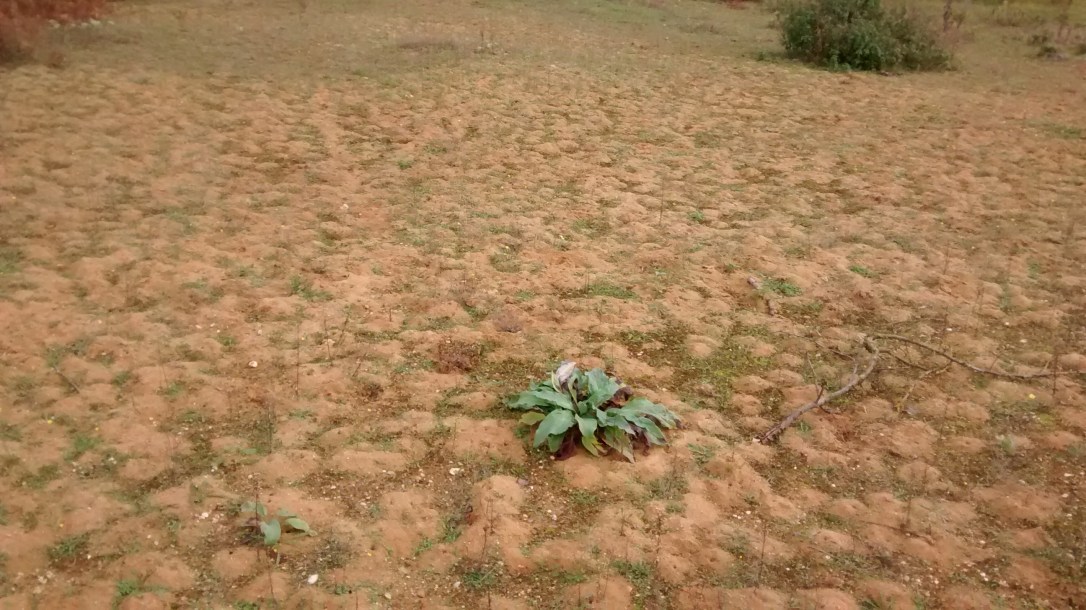
On a sunny day a couple of weeks ago, I stumbled on a nesting aggregation of mining bees on campus, in one of Trinity’s campus “biodiversity” areas. In excitement, I rushed to tell my adviser, Jane Stout, only to discover that she and Cian White had simultaneously discovered it and rushed to tell me! Together, we went back to the aggregation to admire the busy bees zipping around in their aggregation, mating, and crawling into their nest holes covered in pollen.

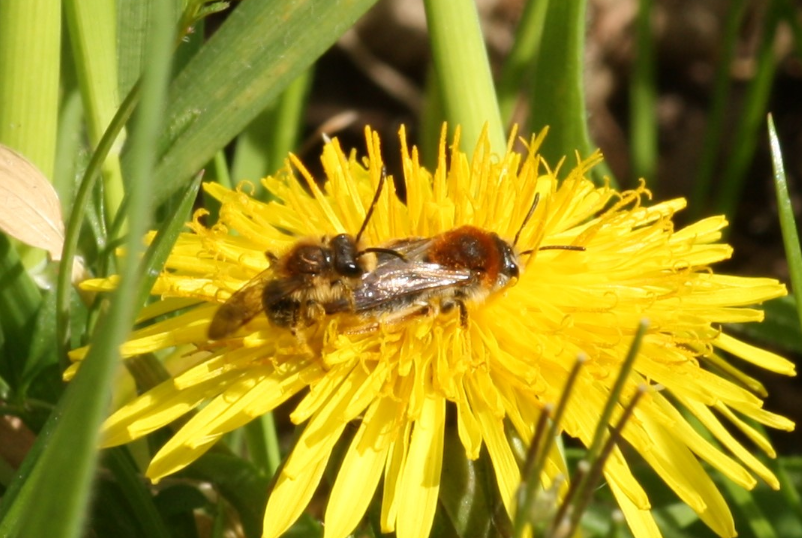
laura mining bees 1

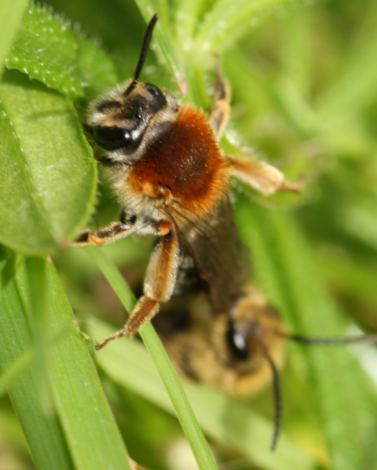
Figure 1 Mating mining bees

On both sides of us, students and visitors walked past without noticing the aggregation. Mining bees are small, inconspicuous insects and are completely harmless. In fact, we have nicknamed them “tickle bees” in the States, as their stinger cannot penetrate human skin.

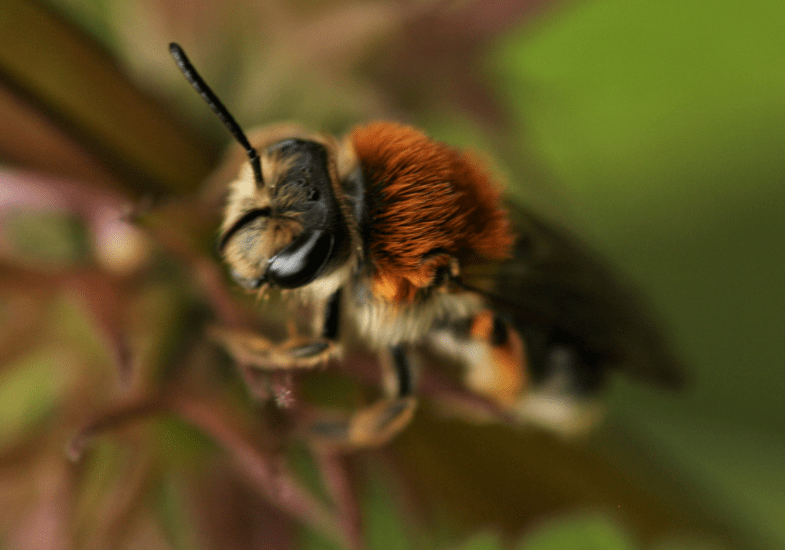
laura mining bees 2

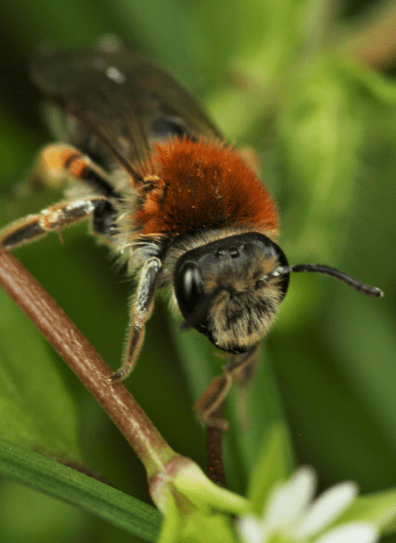
Figure 2 A beautiful, freshly emerged, female mining bee (Andrena haemorrhoa).

Mining bees are solitary, meaning they do not form a hive. There are no workers or queens. Instead, each female digs into the ground and makes a ball of pollen and nectar on which to lay an egg. Each nest cell contains one pollen ball and one egg and after each cell is completed, she seals it off and starts a new nest cell. Each pollen ball requires many foraging bouts.

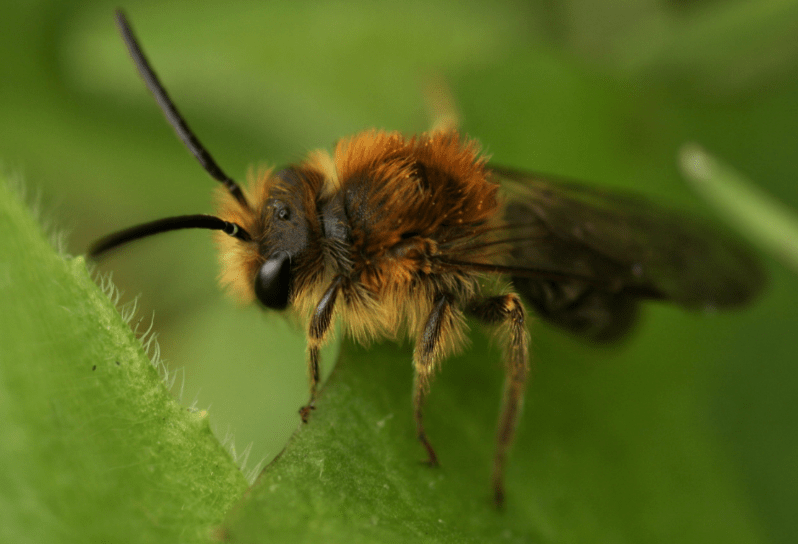
laura mining bees 3

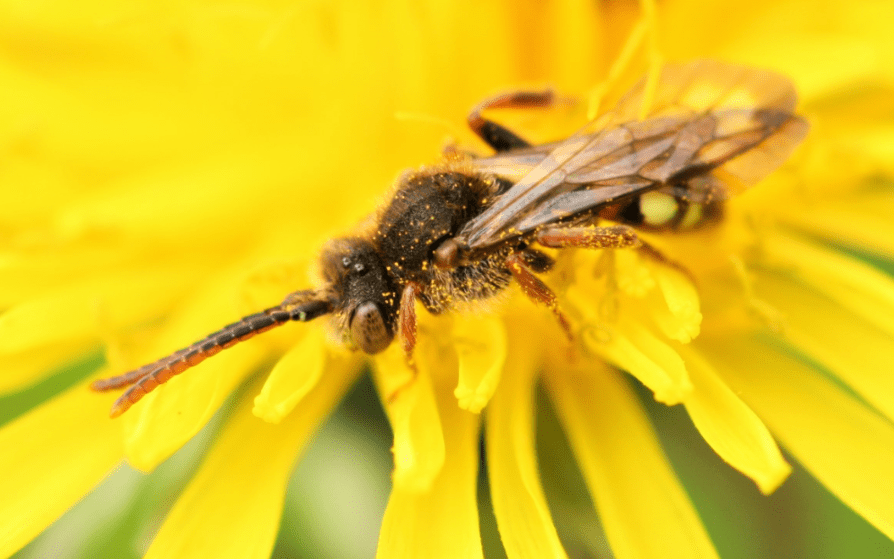
Figure 3 Male mining bee.

You may be wondering why these bees form nesting aggregations if they are solitary. I like to think of these aggregations like apartment complexes. Each bee has her own home and they don’t share any of the work, but they live together in the same area. There may be different reasons for this: for example, there may be safety in numbers, or the soil conditions might just be perfect in this area. We don’t really know why aggregations form for sure, but we do know that they’re easier to find than when a bee forms a nest all by herself!

laura mining bees 4

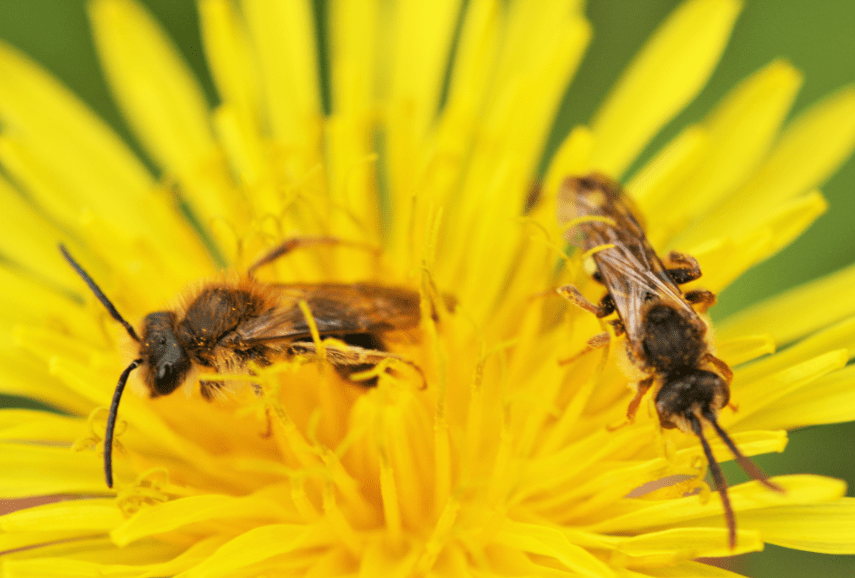
Of course, these bees are not perfectly safe, even in a large aggregation. As we observed them, we also saw that their cleptoparasites were flying around in the aggregation. Cleptoparasitic bees are bee species that don’t bother collecting their own pollen. Instead, they lay their eggs in the nest of another bee. Like the cuckoo bird, these cuckoo bees rely on other species to do all the difficult nest building work.

laura mining bees 5

Figure 4 A male mining bee (left) next to a cleptoparasitic/cuckoo bee (right).

laura mining bees 6

Figure 5 A cuckoo bee hanging around the aggregation.

But not only are these bees beautiful and interesting, they are also incredibly important pollinators. As my work in New York apple orchards showed, they provide the bulk of pollination services to apple blossoms in the Fingerlakes, even when farmers invest quite a bit of money to rent honeybee hives. You see, the foraging behaviour of honeybees and solitary bees differs; because honeybees need to make honey for the winter, they do not contact the reproductive parts of the flowers on about half of their visits to the flowers. They sip nectar from the side of the flower instead.

laura mining bees 7

On the other hand, our lovely solitary mining bees make no honey and they collect both pollen and nectar on every visit, meaning that each time they visit a flower they are contacting the reproductive parts of the flower. This makes them much more effective at transferring pollen and much more efficient as pollinators.

It’s clear that Trinity’s Campus Pollinator Plan is having some real results and it’s great to see the university protecting these incredibly important (and beautiful) pollinators!


By Dr Laura Russo, Marie Skłodowska-Curie Post-doctoral Fellow in Botany‘s Plant-Animal Interactions Research Group in Trinity‘s School of Natural Sciences

A year of Irish Times columns…

For the past year, I have been writing a column once a month in the Irish Times, on the “Life Science” page. It was daunting to be told I could write on whatever topic I wanted (as long as it was something to with science, the environment, related policy, current issues), and surprisingly tricky to come up with a new angle each month. After doing it for a year, I decided to call it a day – there are just too many other demands on my time.  I have thoroughly enjoyed the experience though, and am honoured and grateful to have had the chance to do this. It’s a very different kind of writing to the usual scientific style, and there was quite a learning curve. Luckily, I had expert help from Hannah Hamilton (Executive Co-ordinator of the IFNC, currently registered for a higher research degree in my group), to whom I am extremely grateful (for ideas, editing, redrafting, ghost-writing).

I was asked recently for an archive of articles, and so have compiled links to them all below.


Jane Stout is Professor in Botany, at Trinity College Dublin.

The Solitary Bee Project: One Year On

By Stephanie Maher

About a year ago, I wrote an article for this blog about ‘The Solitary Bee Project’, a citizen science endeavour I had recently launched as part of my PhD research. The primary aim of this project was to compile a dataset of the nest site locations of four solitary bee species and gather some information about where these bees chose to nest. When I was writing the first blog, the project had been running for a couple of months and was starting to gain some momentum. A year on, I can say that not only was significant momentum gained, the project sort of ran away with itself! More than four hundred records were submitted to the website and the enthusiasm of the public for solitary bees was strikingly apparent in the many emails, letters and tweets the project received.

Solitary bees, and particularly their homes, have been rather neglected in the research literature over recent years due to the logistical difficulties associated with doing this kind of work. What this project has shown is that citizen science approaches have the potential to help overcome these barriers. The public have demonstrated that they are keen to protect and learn about solitary bees and they are capable of finding nest sites. By monitoring the submitted records, I was able to identify and visit thirty active nesting sites over the course of the year.

SM Examining_Andrenafulva_site
Stephanie examining an Andrena fulva (Tawny mining bee) site
SM Solisamples
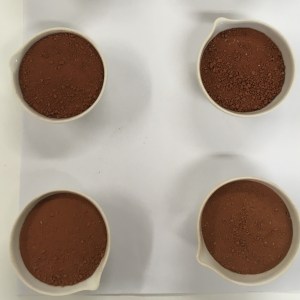
Soil samples from some of the nesting locations


From these visits I took a whole host of measurements to try and better understand why solitary bees nest where they do and what makes a good nest site. As one scientist working alone, this partnership with the public was invaluable and allowed me to carry out an analysis I could not have achieved otherwise.

There is still much that we don’t know about solitary bee nest sites, not just in terms of the habitat structure, but a plethora of unanswered questions spring to mind; about nesting behaviour, parasitic species, the relationship between nest sites and foraging resources, how to provide suitable nest sites and much more.

SM Huge_colleteshederae_site
Huge Colletes hederae (ivy bee) nesting site. Ivy bees were recorded as new to Britain in 2001.
SM Chederae_next_to_greenhouse
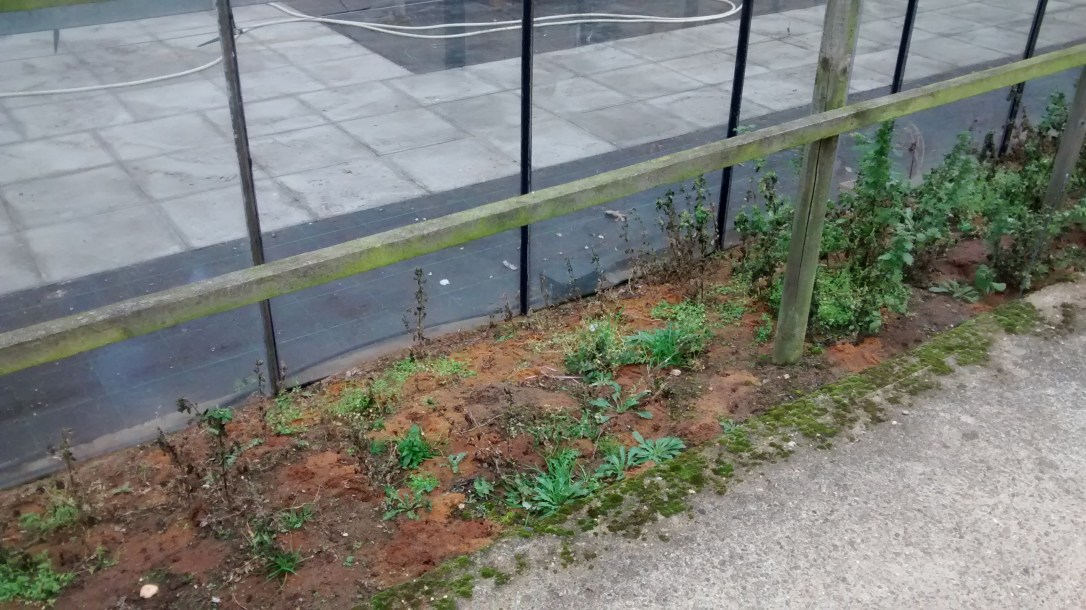
Colletes hederae (the ivy bee) nesting along side a greenhouse

Now that ‘The Solitary Bee Project’ has ended, I am looking ahead and am optimistic that the future of solitary bee nesting research is bright. There are scientists and citizens around the world who care about these questions and are doing their part to answer them. I am hopeful that soon, whether bees are discussed in conference rooms or coffee shops, the importance of understanding, protecting and providing their homes will be part of the conversation, just as much as their food requirements are. Until then though, I’ve got plenty more work to do!


Stephanie Maher (@SolitaryBeesUK) graduated from Trinity College Dublin in 2011 with a degree in Zoology. She is currently a PhD candidate at Anglia Ruskin University, UK.