Here in Ireland, we have 20 species of bumblebee. Telling them apart can be quite difficult for amateur naturalists, but hopefully this key can help you distinguish between the Irish Bumblebees!
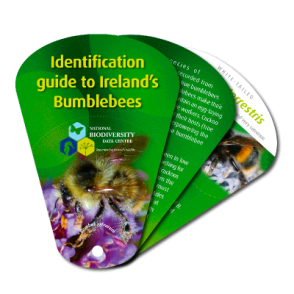
Also available from the NBDC are handy swatches for Bumblebee Identification available for €6.
Before you can start identifying your bumblebees you’ll need to know your insect body parts. The thorax is the middle segment of insects, and is the part from which the wings and legs are attached. The abdomen is the large back part of the insect and is divided into a variable number of segments.
There are 20 species of bumblebee in Ireland. These fuzzy little insects play a key role in pollination. However, pesticides, climate change and disease are causing declines in bumblebee populations worldwide. As part of the “Irish Pollinator Initiative” a “Bumblebee Monitoring Scheme” has been set up. This citizen-science monitoring programme will provide a long-term dataset on changes in bumblebee populations over time in Ireland.
You can enjoy a nice walk around local parks or gardens while doing your bit to save the bees. Why not walk around campus and see how effective our Campus Pollinator Plan is!
Here is how you help collect data for the programme:
1. Learn your bumblebees
Before you go out into the field you’ll need to be able to identify some of the more common bumblebee species (check out Eoin’s blog, going live tomorrow!). The National Biodiversity Data Centre has a fantastic little swatch on bumblebee identification that can fit in your pocket. You can order one here.
2. Pick a route
Your route needs to be 1-2km in length, which would take under an hour to complete while walking slowly. If you’re in Dublin pick a park, or take a trip outside the M50 to find somewhere green! When you decide on a location make sure to let the organizers of the monitoring programme know.
3. Choose a day
To get accurate results you’ll need to monitor bumblebees on this route on eight separate occasions between March and October. Try to avoid collecting data in consecutive weeks and try to do the walks between 11:00 and 17:00 on days when weather conditions are suitable for bumblebees.
One of the great things about surveying bees is they tend to prefer nice weather too! Image credit: Pixabay, Creative Commons.
4. Record the bumblebees you see
Walk slowly along the route and count the number of each species of bumblebee you see within 2.5m either side of you. Make sure to write down the start and finish time of the walk and record the following conditions: average temperature, wind direction and wind speed (using the “Land Conditions” guide in the Beaufort Scale).
5) Upload Online
Once you have collected your data you can upload it online here.
A more detailed description of the monitoring scheme with full instructions can be found here.
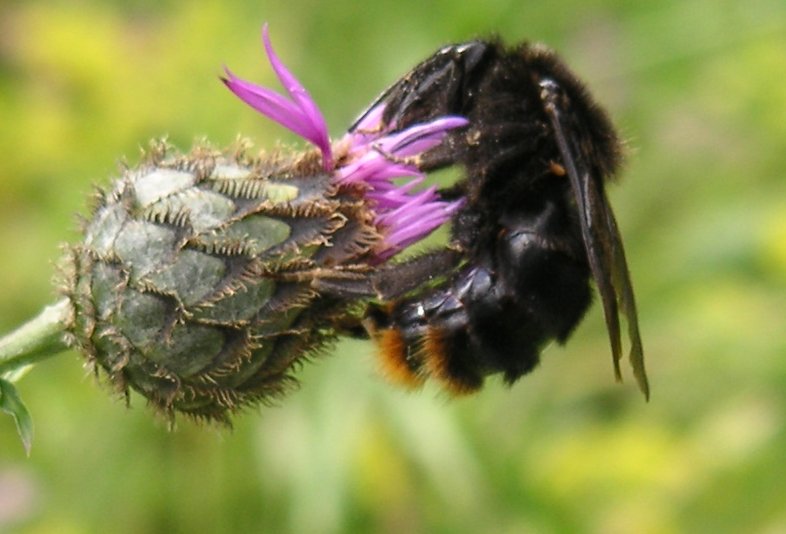
The red-tailed cuckoo bee (Bombus rupestris) is one of Ireland’s four endangered bumblebee species. Image source: Andreas Schmitt, Wikimedia Commons.By collecting these data you will allow researches, such as ecologists in Trinity, to study the long-term population dynamics of bumblebees, which is vital for their protection. So if you contribute to the “Bumblebee Monitoring Scheme” you can enjoy some time out in the natural world while feeling good for helping to save the bees!
This week ZooSoc are taking over CampusBuzz! Expect a new blog everyday written by student members of the society. Today’s entry was written by James Orr (@ZooSoc). James is in his 4th year of Zoology at TCD. His main areas of interest are trophic ecology, rewinding, and plant-animal interactions. He has a passion for wildlife photography – www.jamesorrphoto.com.
Ah spring. The bright mornings, the stretch in the evenings, the weather finally nice enough that you should definitely start to study. But you don’t. Instead you take a leisurely stroll around college, soaking up the ambiance; watching birds building their nest/stealing your chips, butterflies landing on the noses of freckled children, bees, humming through the…
Hang on, when was the last time you saw a bee? Could it have been a wasp? What even is a pollinator?
This Trinity Week, Professor Jane Stout will be launching the campus pollinator plan with the aim of increasing biodiversity and awareness thereof within the college grounds. By way of introduction, let’s take a look at some of the core concepts that you have forgotten/have yet to actually hear about pollinators.
In spring 2016, Prof Jane Stout contacted my colleague Susie Bioletti about establishing a research apiary at Trinity as part of the new Campus Pollinator Plan. With the assistance of “Estates and Facilities” and the donation of space by TCD’s Department of Mechanical & Manufacturing Engineering, the way was clear by summer. Following a rest over Winter, the hive is now gearing up for the 2017 season and, over the next year, our monthly blog, “The Buzz from the Hive”, will follow the progress of the colony.
Watching your honeybees entering and leaving the hive on a sunny lunch time has to be one of the beekeeper’s favourite pastimes.
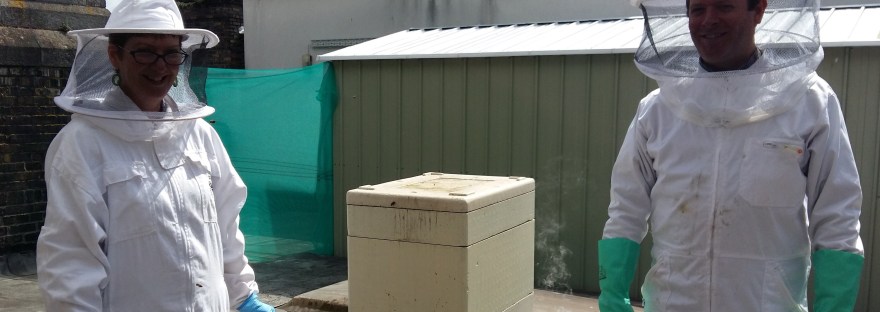
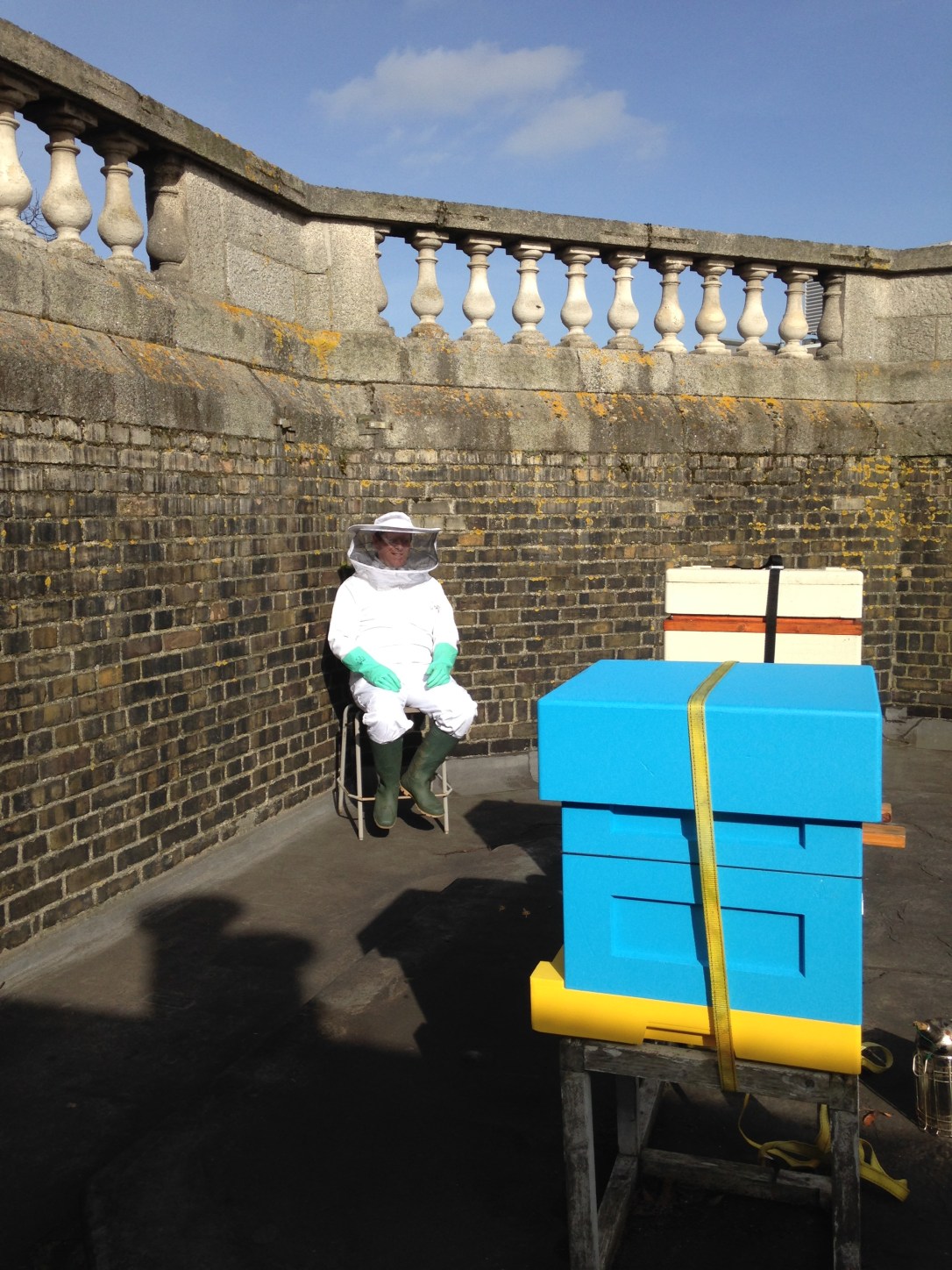
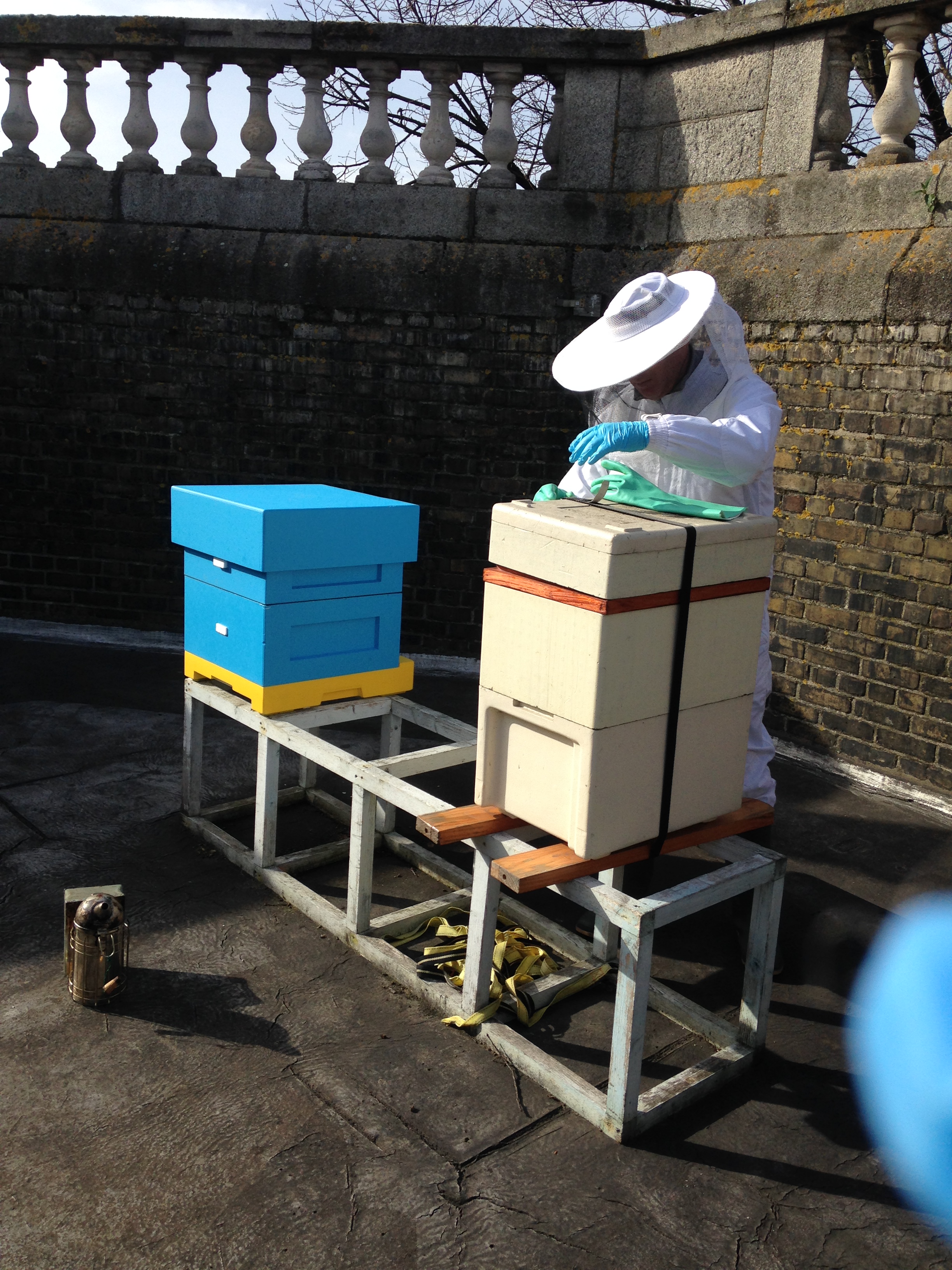
The sight of foraging honeybees returning to the hive is one that never loses its appeal for beekeepers. That’s why when Susie requested assistance to install a colony of bees on the rooftop of the Parsons Building, I jumped at the opportunity. The prospect of doing hive inspections at lunchtime, only a stone’s throw from both our offices, was irresistible. Once safety protocols were duly satisfied, the nuc — a starter home for bees, arrived in the boot of Susie’s car. Once safely ensconced in the apiary, we were free to begin swapping our favourite beekeeping anecdotes — Susie and I work in very different areas of College (neither of which are connected to pollinator research) but we both share a common interest in bees, underscoring their universal appeal.
Soon, the colony was ready to be transferred into a new full-size hive, painted Trinity blue of course. A subsequent check identified that the young queen is present and laying, and stores are in ample supply for a burgeoning colony. A good start by all accounts and the planted environment of Trinity’s campus should provide for all the needs of the hive.
Before long, our colony had outgrown its nuclear (starter home) and was ready to move into its new premises – all decked out in Trinity Blue!
Bees are a fascinating insect, not least due to their remarkable communication systems. Their primitive looking meanderings belie a complex social network that can also be seen in their cousins, the ants. Information is transmitted by many modes, including chemical messages in the form of pheromones. Blends of organic compounds are secreted by the glands of bees and serve to regulate the activities of the colony, which can be regarded as a super-organism. The various castes of bees influence different aspects of hive life including reproduction, building and defence. This ancient method of communication is something akin to a live news stream, complete with feedback loops, and provides an efficient means for a hive of sometimes more than 50,000 bees to co-exist with a singular purpose.
Keep an eye out next month for more news from the hive!
Marcus Phelan is the Senior Technical Officer for Trinity’s Hazardous Materials Facility and Susie Bioletti is the Head of Preservation and Conservation at the Library. Together, they are our campus beekeepers and will be writing a regular segment for Campus Buzz on “The Buzz from the Hive”.
When I started working on bees, most people either asked “why?” or “is it true bumblebees can’t sting?”. I could easily answer the second question (no, it’s not true, they can sting you, but you have to really annoy them to make them do it), but the first was trickier. Because they are fascinating creatures, and understanding their behavioural ecology is academically challenging and exciting, didn’t seem like a good enough reason back in the late 90s.
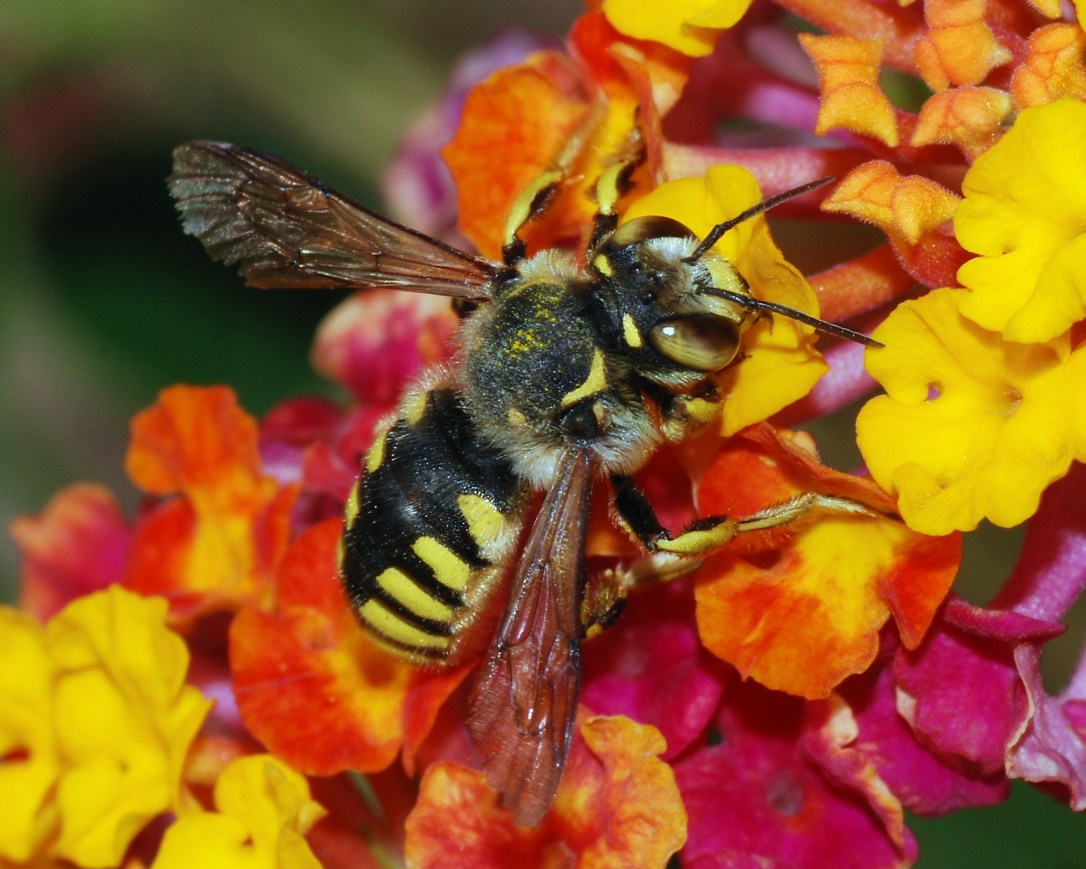
And then everyone started to notice that bees were in trouble. This began with the high profile Colony Collapse Disorder (CCD) in North America (mass, sudden, unexplained death of honeybee colonies) around 2006, and later people realised that the honeybee was not the only species in trouble. Slowly the public and policy-makers began to realise what bee scientists had suspected for a while: that agricultural practices, disease and habitat loss were damaging a wide range of species, including the hundreds of other species of bees that are often overlooked in favour of their honey-producing cousins. It often comes as a surprise to people to realise there are 20,000 species of bee worldwide. On the island of Ireland alone, there are nearly 100 species, only one of which produces honey.
Colony Collapse Disorder (CCD) was perhaps the beginning of public concern for our pollinating insects, it is easy to see why, but, slowly, understanding is growing that the honeybee is just one of many pollinator species at risk. Photo by Jay Rosenberg flickr.com/hayesvalleyfarm
But producing honey isn’t the only useful thing bees do for us – they are important pollinators – they transfer pollen (which contains the plant’s genetic material) between flowers and enable plants to reproduce, to set seed and produce fruit. In fact, nearly 80% of wild flowering plants in temperate zones, and 75% of global food crops, are animal pollinated.
So, now when people hear I work on bees, they don’t ask “why?”, they expect me to save them. And given they are (still) fascinating creatures, and now we know how important they are in terms of food production, as well as maintaining healthy functioning ecosystems, it is easier to justify trying to do just that.
Easy to justify perhaps, but not so easy to do… In 2009, Una Fitzpatrick (former Trinity Scholar, PhD graduate from Botany and postdoc in Zoology in Trinity, and now Senior Ecologist at the National Biodiversity Data Centre), and I started drafting a plan to help conserve pollinators in Ireland. Eventually, after establishing a multi-stakeholder Steering Group to help, and many drafts later, we published the All-Ireland Pollinator Plan (AIPP) in September 2015. This call to action brought together many public and private organisations to help conserve pollinators in Ireland. The response to the AIPP has been overwhelmingly positive: bees have become biodiversity poster-boys – everyone wants to help conserve them now!
As one of the lead organisations developing the Plan, I was keen that we practice what we preach here in Trinity. Therefore I am delighted that we are now launching our own Campus Pollinator Plan, to contribute to the good work of the AIPP. From practical initiatives like pollinator-friendly planting and eliminating the use of insecticides, to educating students and the public, and doing the research (on both wild bees and using our own hives of honeybees!), we are hoping to make a big difference. Check out our website for what we are doing on campus, and keep an eye on this blog for updates.
Jane Stout is a Professor in Botany, in the School of Natural Sciences at Trinity College Dublin. She has been researching bees and pollination since 1996 and is deputy chair of the AIPP Steering Group.







 In 2009, Una Fitzpatrick (former Trinity Scholar, PhD graduate from Botany and postdoc in Zoology in Trinity, and now Senior Ecologist at the National Biodiversity Data Centre), and I started drafting a plan to help conserve pollinators in Ireland. Eventually, after establishing a multi-stakeholder Steering Group to help, and many drafts later, we published the All-Ireland Pollinator Plan (AIPP) in September 2015. This call to action brought together many public and private organisations to help conserve pollinators in Ireland. The response to the AIPP has been overwhelmingly positive: bees have become biodiversity poster-boys – everyone wants to help conserve them now!
 Campus Buzz