Blog

The Amazing World of Bees

When most people think of bees, they think primarily of the European honeybee (Apis mellifera). Ironically, the honeybee couldn’t be a worse representative of bees in general. There are thought to be between 20,000-25,000 species of bees globally…this means there are likely more species of bees than fish or birds.
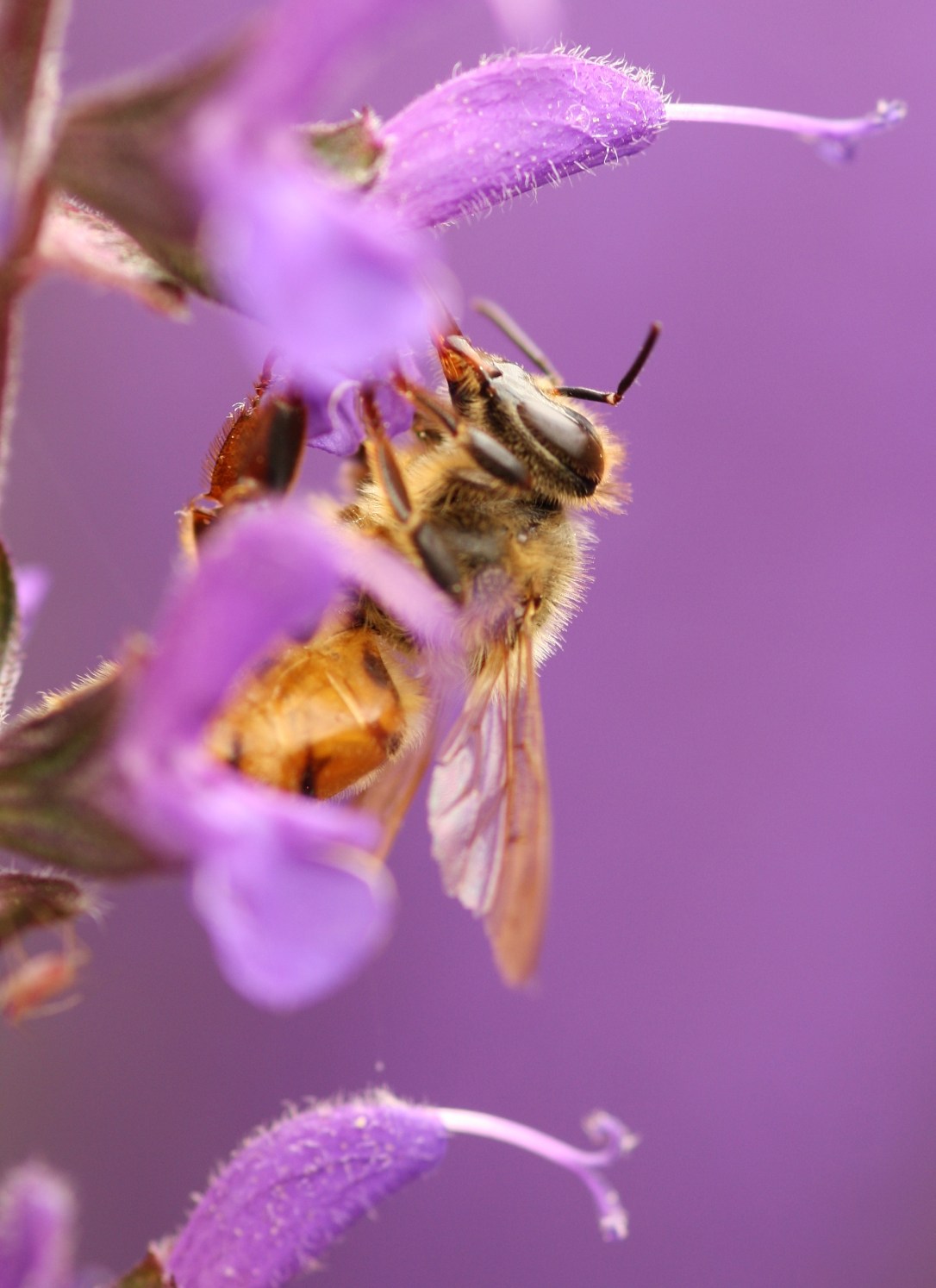
Honeybeephoto
The bee poster child, the honey bee (Apis mellifera) is actually a poor representative of bees as a whole. Image credit: Laura Russo.

While the honeybee is a eusocial, cavity-nesting, and honey-storing (to borrow a botanical term, perennial) insect, the vast majority of unmanaged and wild bees are solitary, ground-nesting, and annual. They range in size from 2 mm (Perdita minima, the smallest bee in the world) to over 6.4 cm (Megachile pluto, the largest bee in the world) and come in a variety of shapes and colours, with some fascinating life histories. Did you know that some bees scavenge dead animals (the exception to bee veganism), some make their own cellophane, or cut leaves and petals to make nests with? Some bees collect oils and some collect scents from orchids. Bees are interesting, beautiful, diverse…and essential to human health.
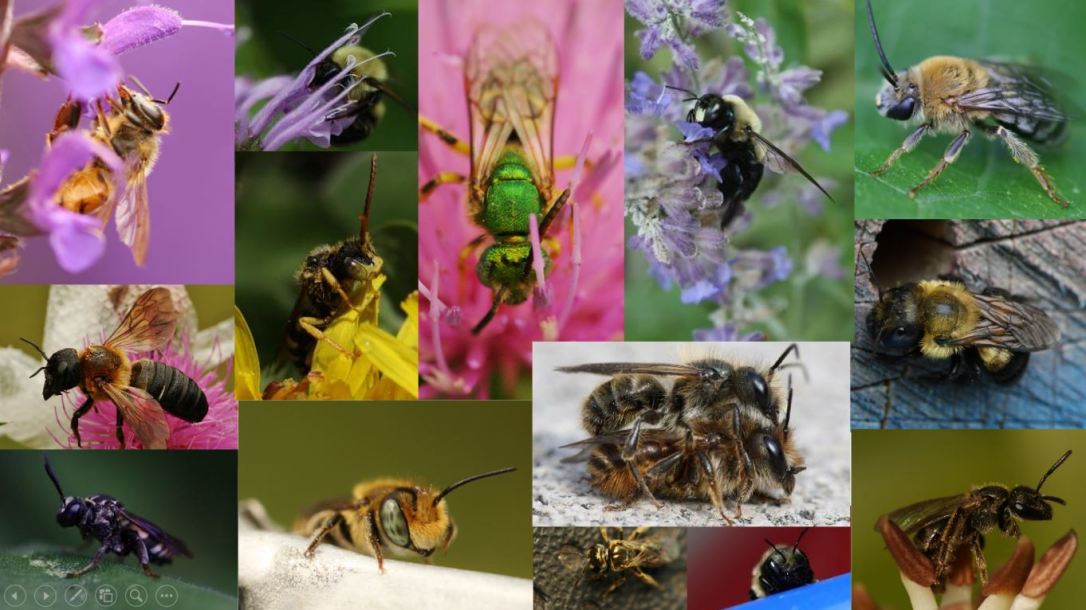
BeeCollage
A collage showing the sheer diversity of bee species. Image credit: Laura Russo.

You may think the most important thing bees provide is honey, but the honeybee pollination industry is worth approximately 15 billion dollars a year in the US alone, while the honey industry is only worth 150 million/year in the US. (Honey is only worth 1% of the pollination industry in the US!)
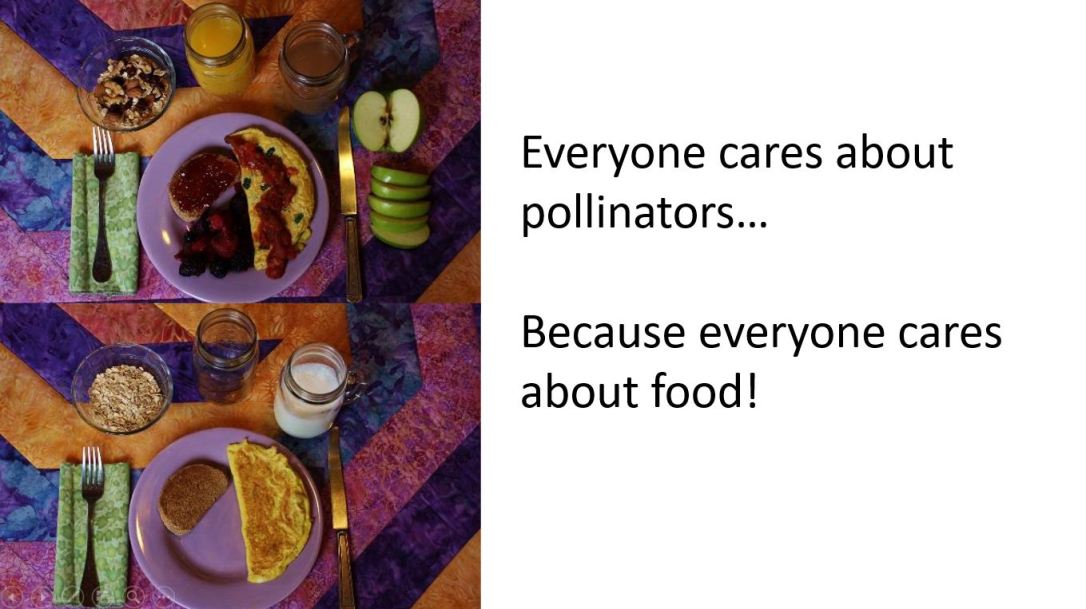
Breakfast
Breakfast options, with and without the help of pollinators. Image credit: Laura Russo.

Though honeybees have a long association (4,000 + years) with humans because of their honey, the majority of pollination services on Earth are provided by wild bees. This is true for more “natural” and unmanaged ecosystems, but it is also true even where honeybee hives are regularly rented for their pollination services. In the apple orchards of New York, for example, wild bees have been shown to provide more than twice as many pollination services on average, even though the vast majority of orchard managers spend a significant amount of money each year renting honeybee hives.
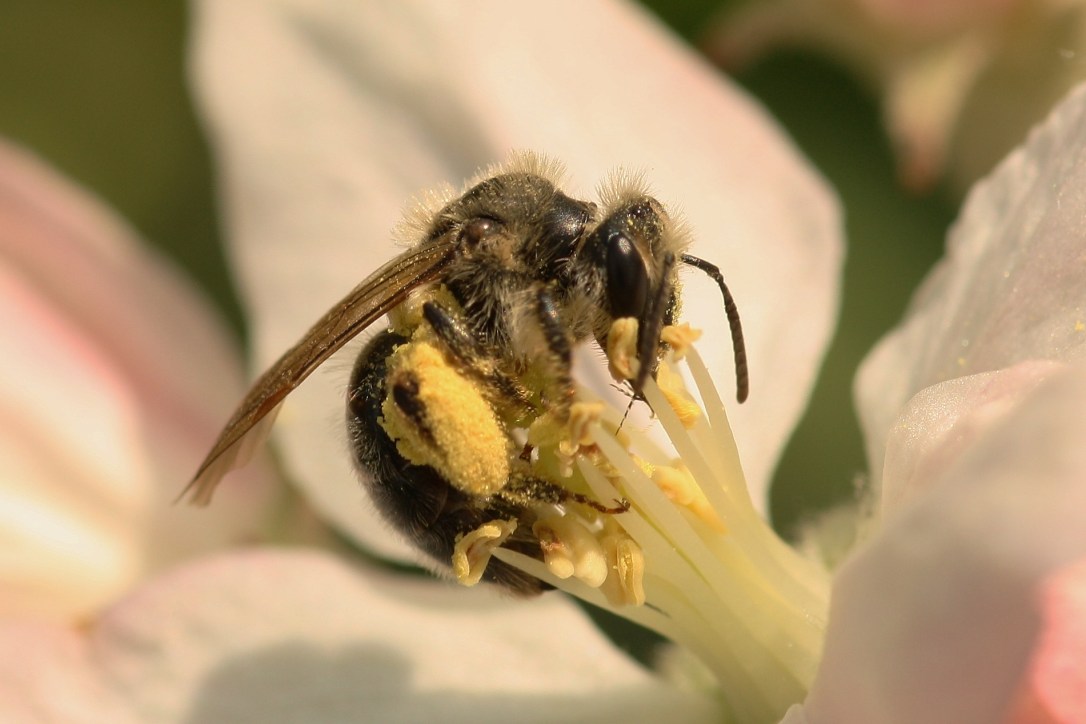
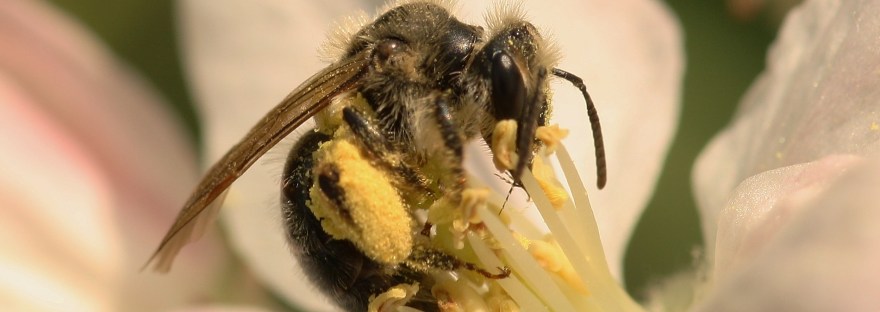
Andrena.mandibularis
Andrena mandibularis. Image credit: Laura Russo.

If you’re worried about stinging, you’ll also be happy to learn that the barbed stinger is unique to the honeybee, designed to be painful to honey thieves. Because male bees are incapable of stinging (the stinger is a modified ovipositor), and the majority of solitary bees have a male-biased population ratio (1.5 male:female), most bees can’t sting. Add to that the fact that many groups of wild bees don’t have stingers that can penetrate human skin (e.g. mining bees, nicknamed “tickle bees” by some), and there are whole groups of social stingless bees, you can rest assured that the vast majority of the bee world won’t or can’t sting you.
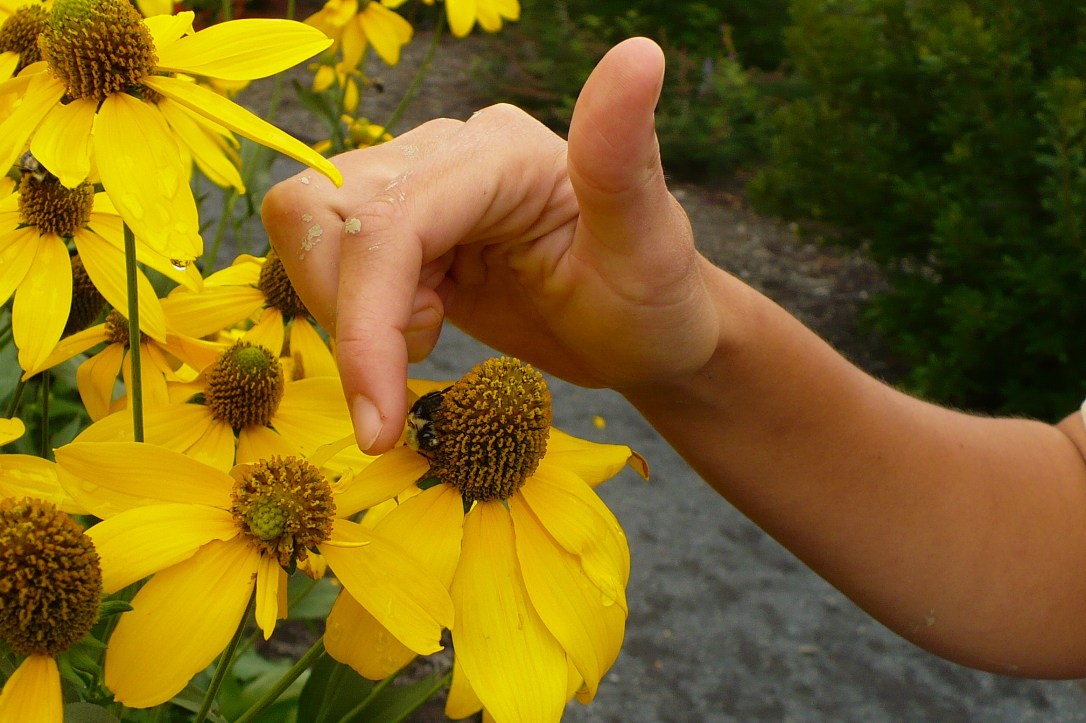
Bumblebeepetting
Bumblebees can sting, but they probably won’t. You even pet them when they’re on flowers! Image credit: Laura Russo.

You may be excited to learn about some of the fascinating bees in your own backyard. For example, the British Isles and Ireland are home to a snail shell-nesting bee. If you want to learn more about these charismatic animals, there are a variety of ways to get involved, including citizen science projects like Ireland’s bumblebee monitoring scheme, solitary bee monitoring scheme, and rare species watch.
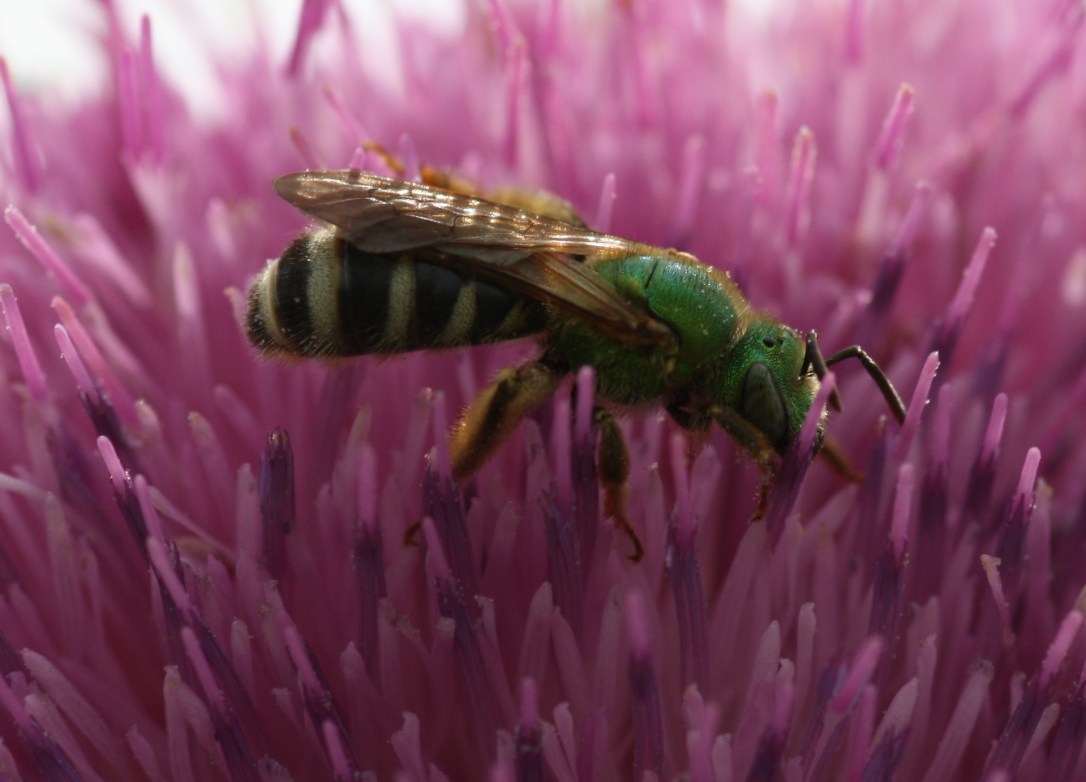
Agapostemon.virescens
Agapostemon virescens. Image credit: Laura Russo.

Or you can just watch and enjoy the pollinators in your own backyard as they work to keep Earth’s ecosystems functioning smoothly, pollinating the crops we rely on, and the flowers we enjoy.
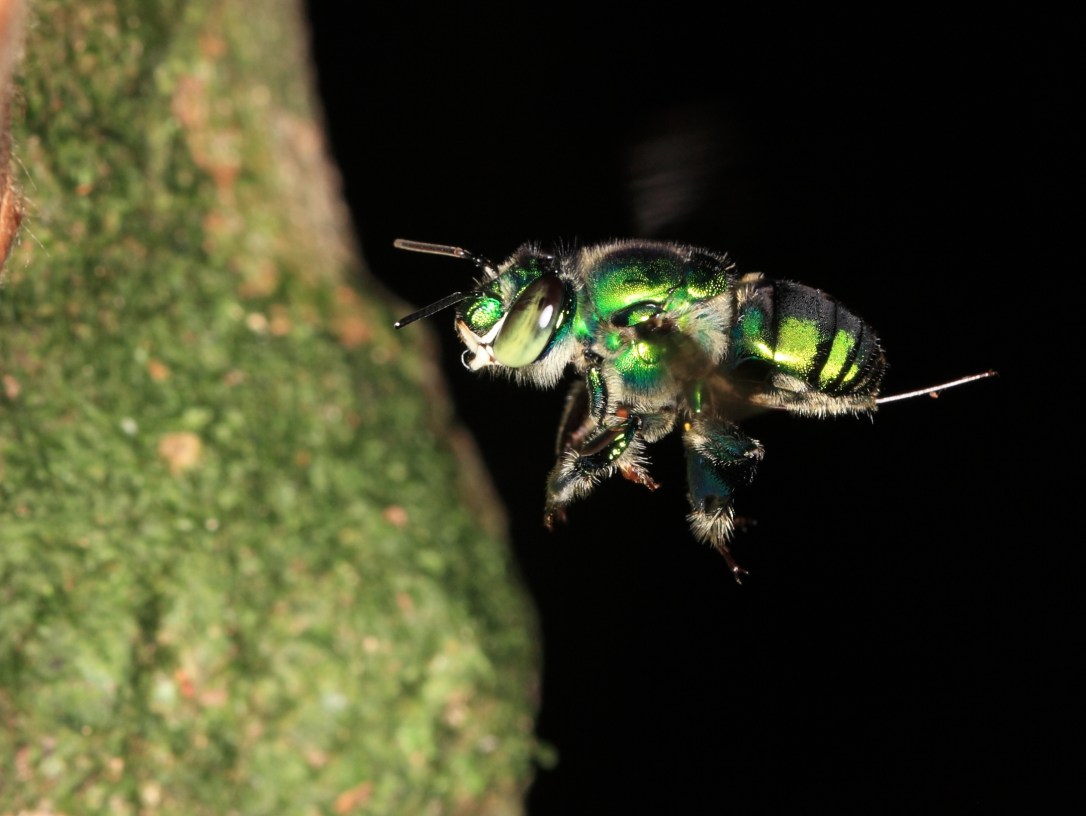
Euglossa.sp

Dr Laura Russo is a postdoctoral research fellow at Trinity funded by a Marie Curie Sklodowska Fellowship. She is studying the impact of agricultural runoff, both fertilizer and herbicide, on communities of plants and their insect pollinators (https://www.tcd.ie/Botany/staff/stout/project-effects-of-fertilisation.php).

A hoverfly feeding on nectar from a sunflower inflorescence.

Valuing our Pollinators

Pollination is a vital service provided by a plethora of animals, including honeybees, bumble bees, and other insects, as well as some birds and mammals. Many of our food crops rely on animal pollinators to produce large yields. Therefore, the loss of pollinators such as bees will have profound implications for the global agri-food sector, with consumer nations such as Ireland particularly vulnerable.

A three tier dish covered in many fruits, both exotic and local. All of the fruits are insect pollinated.
A selection of of insect-pollinated crops commonly sold in supermarkets.
The agri-food and drink sector in Ireland accounts for 7.2% of the goods and services produced by Ireland’s economy and 12.3% of Ireland’s exports (source: DAFM). The horticultural industry alone produces >€380 million worth of fruit and vegetables annually, including many common insect-pollinated crops such as apples, strawberries and raspberries. However, this only represents a small proportion of total demand and as a result we import >€1 billion worth of fruit and vegetables each year (source: CSO). Many of these are pollinator-dependent crops (e.g. oranges, peaches, pears etc.) and therefore the global loss of insect pollinators is predicted to have a profound impact on our local economy.

aran_islands_wild_flowers.jpg
A meadow in Inis Mór (Aran Islands, Ireland) with a selection of wild flowers.
In addition to the market values of pollinators, we also appreciate them for their intrinsic value and for the ecosystem services they provide. They play a vital role in maintaining plant community structure and for the propagation of wild species, thus maintaining healthy biodiversity in our landscapes. For example, the celebrated landscapes of the Aran Islands, off the west coast of Ireland, which attract visitors from all over the world for their beauty, depend on pollinators to support a rich variety of wild flowers.

This globalised, interconnected world in which we live means that a holistic approach must be taken in order to protect vulnerable pollinator species. By understanding how interconnected and dependent we are on pollinators, not just in an ecological sense but also from a global, economic perspective, we can better understand the impacts of pollinator losses and enact integrated policies to halt their decline. In this way, we will be able to continue to enjoy the fruits of their labours for generations to come!

Dr. James Murphy (@jmurphyscience) is working on a 2 year EPA-funded research project POLLIVAL (@pollivaltcd) with Prof Jane Stout in Trinity College Dublin. The aim of the project is to assess the market and non-market values of insect pollinators and to estimate the costs to the Irish economy of continuing pollinator declines.

The Buzz from the Hive – Springing into Action


There is hive of activity in the apiary now that spring is well and truly here. We have been observing the entrance of our hive over the past few months, to check that our bees had survived the winter and importantly that the queen was present and active. Honeybees need an air temperature of around 12⁰C to fly without danger of becoming chilled, and as the days warmed up the number of flying bees increased and the over-wintered bees began bringing bags of brightly coloured pollen into the hive. This was a sure sign that the queen had begun to lay and size of our colony was on the increase.

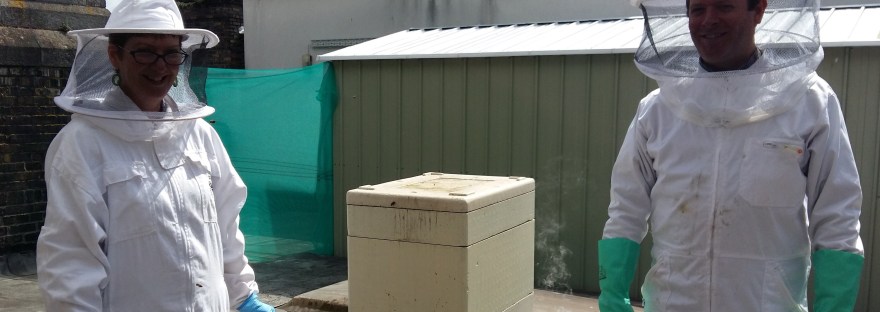
During the rare warm days in March and April we were able to take a quick look into the hive to gauge how things were going, and on one occasion we were joined by the Provost, who has wholeheartedly supported the Pollination plan for campus and Ireland, as well as encouraging us to develop the apiary for Trinity.

3795-57.jpg
Susie and Marcus were joined by the TCD Provost, Patrick Prendergast, and Professor in Botany, Jane Stout, for one of their early season hive visits.

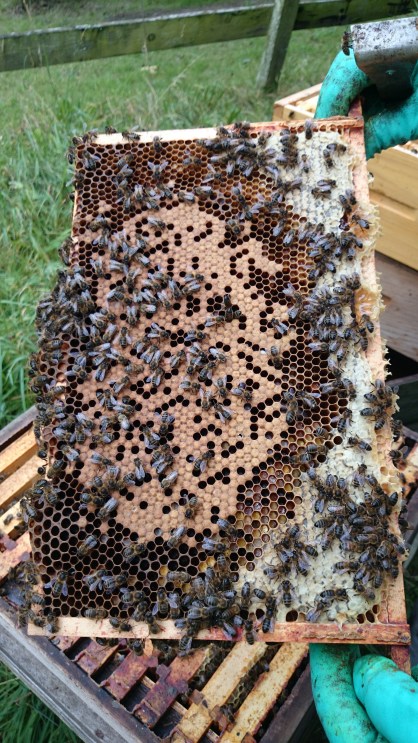
This week Marcus and I carried out our first full hive inspection of year, and will keep this up on a weekly basis for the next 3 months. The inspections will keep us informed of the health and productivity of the hive, and importantly help us prevent swarming. The first thing we noticed when opening the hive was the sweet smell of wax and nectar, a sign of a healthy hive. We removed the roof and crowd-board to allow us access to the brood-chamber, the area where the queen resides and where the bees are raised. Each of the brood-frames was lifted out and examined, to check that the queen is laying, that she has adequate space for the 1500- 2000 eggs she will lay per day, that the bees have has adequate pollen and nectar stores, and that there is no evidence of disease.

IMG_1482.JPG
During a full inspection of the hive, Susie and Marcus must ensure that their is a healthy proportion of stores and brood, and that the queen laying eggs.

Susie Bioletti is the Head of Preservation and Conservation at the Library and Marcus Phelan is the Senior Technical Officer for Trinity’s Hazardous Materials Facility. Together, they are our campus beekeepers and will be writing a regular segment for Campus Buzz on “The Buzz from the Hive”. Keep an eye out next month for more news from the hive!

Solitary Bee Project

The UK is home to approximately 275 species of bee and Ireland is home to 97, and no, they don’t all make honey. In fact, the honeybee is the only member of the group who performs this task, and, along with the bumblebees, is the only social species. All told social bees, with queens and workers, account for a mere 10% of the bee species in the UK and 20% of the species in Ireland. The vast majority of species are solitary. This means that every female is fertile and each builds her own nest in which she places her eggs and provisions each one with enough food for them to develop into adults.

C.hederae(2).jpg
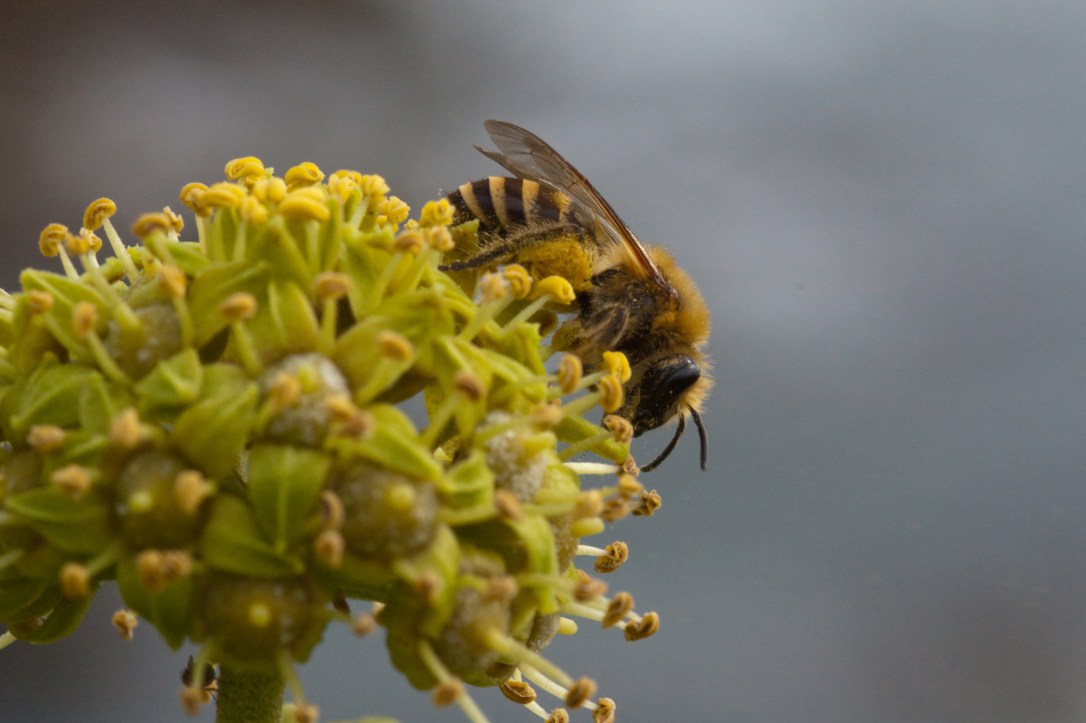
The ivy bee (Colletes hederae) is a new species in the UK, having first arrived in 2001. Last year, it underwent rapid [natural] range expansion, and we may find it gracing ivy (Hedera helix hibernica) plants in the near future. For another citizen science project linking to ivy, checkout the “Pollinators of Ivy Monitoring Project“. Image credit: Thomas Ings.
The other really important thing to know about solitary bees (once you know they exist) is that they are excellent pollinators, far better than bumblebees and honeybees. This is because when they collect pollen they leave it dry and carry it on specialised hairs on their bodies. Honeybees and bumblebees moisten the pollen they collect and pack it together. This means that when solitary bees visits flowers they’re more likely to lose pollen than other species. Solitary bees are important and they are vastly under appreciated.

Andrena cineraria
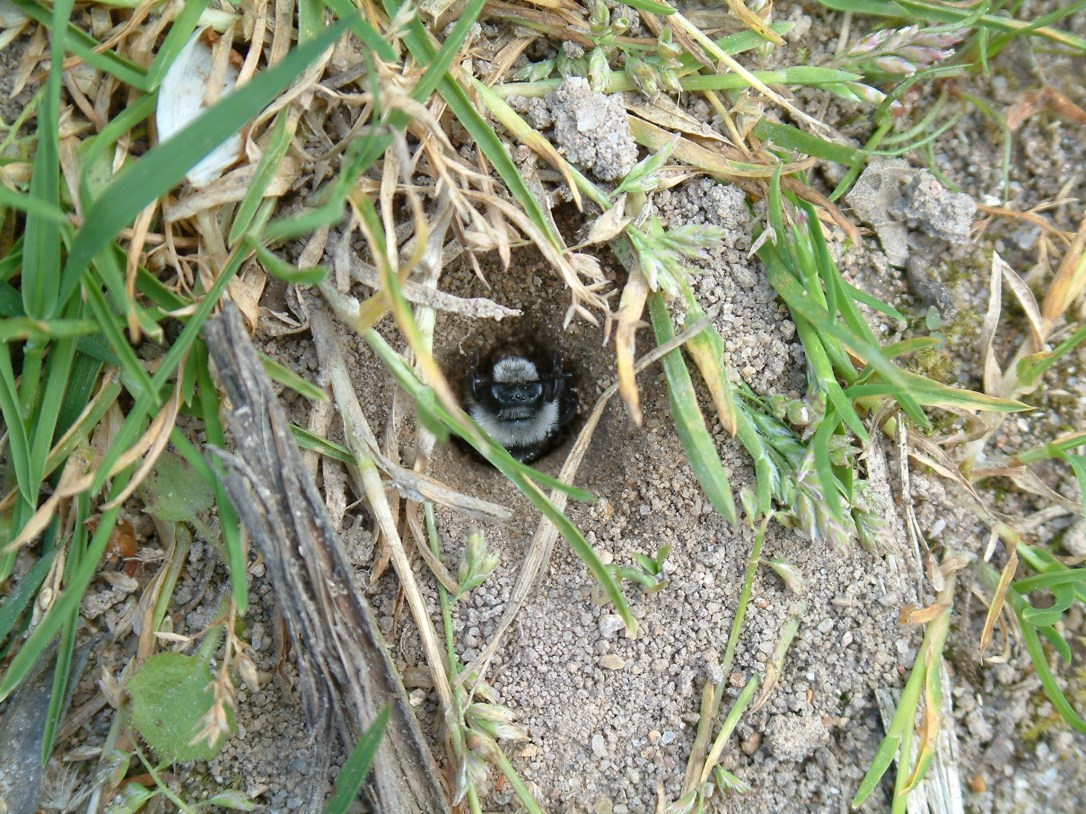
The ashy mining bee (Andrena cineraria). Peekaboo! Image credit: Thomas Ings.

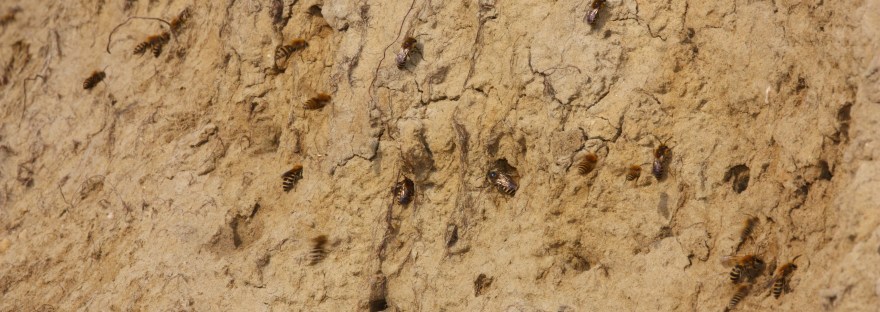
Fundamentally, there are two things every bee needs: food and shelter. When we think about the practical things one can do to help bees it is images of flower laden gardens and parks that come to mind and of course this is incredibly important. But how often do we hear about nest sites? Not very. This is not just a problem in the wider media, primary scientific literature has given little attention to nesting locations, particularly in the UK and Ireland and particularly with regard to the solitary species that nest in the ground (which is most of them). Now, one can’t for certain say why this is, but it is likely linked to the fact that finding nests is difficult and time consuming, particularly if you are trying to conduct a scientific analysis and therefore need quite a lot of them. So, a new approach is needed in terms of how we collect this information and we think the most promising route to success is through citizen science.

IMG_20170329_161345383
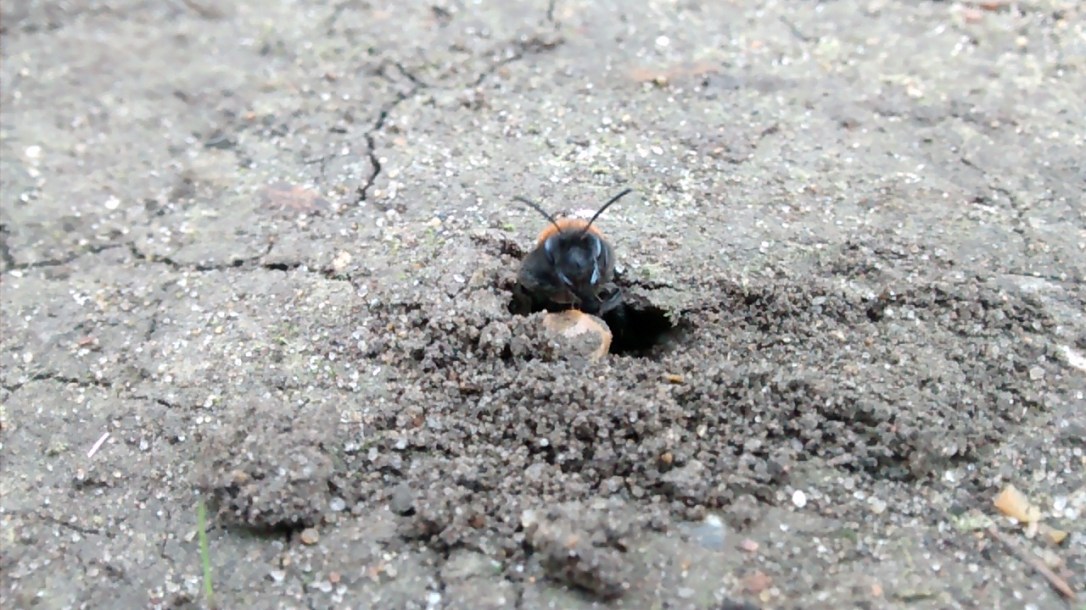
Solitary bees nest in unusual places. Many dig tunnels underground, in bare earth, as above, or producing little “ant hills”/”mini volcanoes” in lawns. There are even records of a species nesting inside old snail shells! Image credit: Thomas Ings.

To this end we have recently launched The Solitary Bee Project (thesolitarybeeproject.org), which aims to gather nesting data of four solitary bee species: Andrena fulva, Andrena cineraria, Halictus rubicundus and Colletes Hederae. Armed with this information, we not only begin to understand the needs of these important species but also the ways in which we can protect suitable nesting areas and even provide them, if need be. So, keep your eyes peeled over the next few months for ‘mini volcanoes’ showing up in your garden or local park because it could be a solitary bee moving into the neighbourhood!

Andrena fulva female - Black Down, Mendips
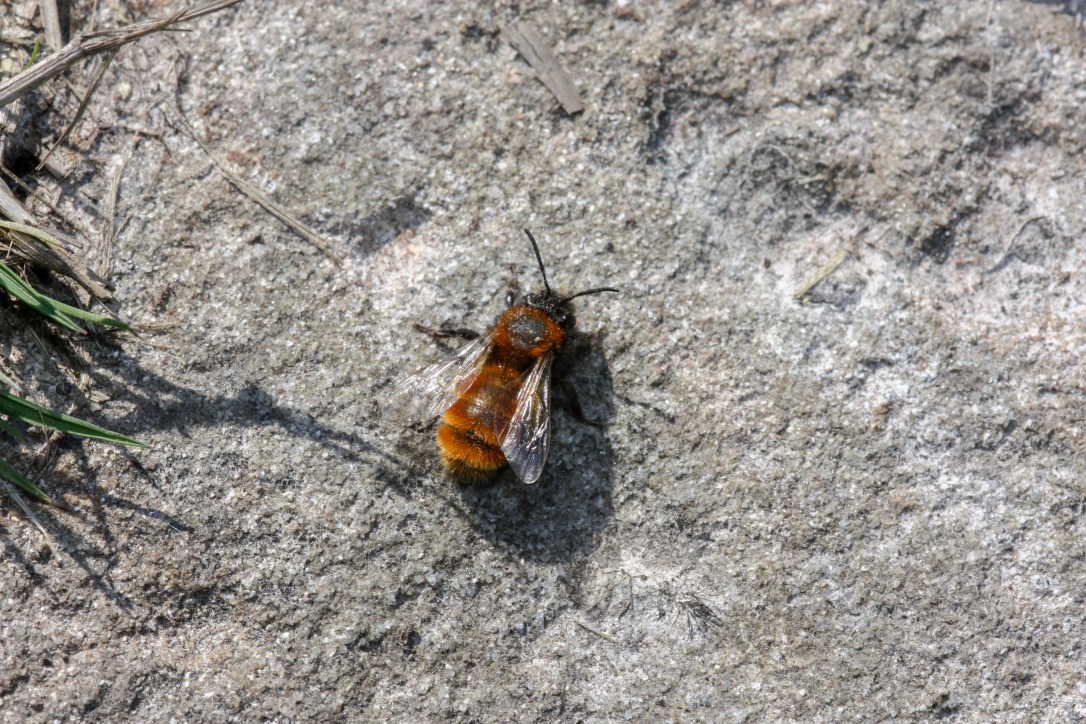
The solitary female Tawny Mining bee (Andrea fulva) is one of our most striking bee species. Image credit: Thomas Ings.

Stephanie Maher (@SolitaryBeesUK) graduated from Trinity College Dublin in 2011 with a degree in Zoology. She is currently a PhD candidate at Anglia Ruskin University, UK. Find out more about taking part in her project at thesolitarybeeproject.org. Although the site is aimed at the UK, Stephanie is keen to get Irish records too!

May the honey bee with you

It is estimated that honey bees (Apis spp.) fly nearly 90,000 km to make just one jar of honey, that’s more than twice the circumference of the Earth.

DSC_0181

Honey has been consumed by humans for over ten thousand years: the Egyptians were the first to practice the art of beekeeping and it has been reported that the Romans used honey instead of gold to pay their taxes. This sweet substance not only contains a complex mixture of sugars but has many other natural constituents. It is a combination of these that make it a unique and nutritious food, for both bees and humans! The composition and concentration of these constituents varies and depends on honey floral and geographical origin, honey processing and storage, and seasonal and environmental factors. Honey can also contain many contaminants mainly due to anthropogenic activities.

The reported biological properties and health benefits of honey produced by honey bees are vast. Honey contains flavonoids and phenolic acids, and many studies have shown that a high concentration of total phenolics is strongly correlated with high antioxidant activity. Food antioxidants have been shown to prevent oxidative stress and thus prevent oxidative damage.

Frame of brood

The aims of my PhD research are to determine the type and quantity of phenolic acids and flavonoids present in Irish honey. To date, the results show that Irish heather honey has the highest total phenolic content out of three Irish single origin honeys (heather, ivy and oilseed rape), whilst oilseed rape honey has the lowest. Interestingly, urban honeys have a higher total phenolic content than rural honeys. Irish heather honey shows similar physiochemical characteristics to Manuka honey from New Zealand, and has a higher total phenolic content than Manuka honey. This suggests that heather honey may be as medicinally effective as Manuka honey and that the potential health benefits of Irish heather honey should be explored.

With the exciting launch of Trinity’s Pollinator Plan and the establishment of a hive on campus, honeys will be compared from DCU, TCD and UCD. The results will be revealed in a future blog post.

Saorla Kavanagh is an IRC-funded PhD student, registered at DCU, supervised by Blánaid White (DCU) and Jane Stout (TCD).